Missed
No one is looking for it.
Early behavioral change isn't part of a routine primary care visit. The signs go unrecorded, or get treated as stress.
PHAROS by Telephos
Changes in mood, motivation and behavior are often the first signs of brain change, ahead of memory loss. PHAROS helps primary care notice them, act on them, and see sooner whether care is working.
The earliest signal
Before a memory slips, families often notice something else. A change in mood. A loss of interest. A personality that doesn't feel quite like theirs.
“He stopped going to his Thursday chess club. He says he just can't be bothered.”
“She's anxious and tearful over things that never used to bother her.”
“He snaps at the grandkids, and he's made three impulse purchases this month.”
“She says things to strangers that would have mortified her a year ago.”
“He's sure the neighbors have been moving things in his garage.”
Illustrative examples of the five domains of mild behavioral impairment.
MBI describes new, lasting changes in mood or behavior that begin after age 50 and persist for at least six months. They can appear before memory problems do, which makes them one of the earliest signs worth checking.
They're also easy to put down to stress, or to getting older. So they often go unrecorded.
The gap
Missed
Early behavioral change isn't part of a routine primary care visit. The signs go unrecorded, or get treated as stress.
| Service | Paid | Staffed |
|---|---|---|
| Cognitive care plan | ||
| Monthly care management | ||
| Caregiver support |
Unstaffed
Medicare pays for cognitive care plans, monthly care management and caregiver support. Most independent and rural clinics don't have the staff to provide them.
Unmeasured
It takes about 42 days to tell whether a treatment is working. When it isn't, the patient has lost six weeks.
The platform
PHAROS pairs an AI assessment with remote nursing and response tracking, so a clinic can find early brain change, manage it and measure it without adding staff.
01 AI assessment
An AI-scored assessment, in the clinic or over video. Two cameras and a wearable capture how a person responds, and PHAROS flags possible signs of mild behavioral impairment, mild cognitive impairment, dementia and psychiatric symptoms for the clinician to review.
02 Remote nursing
Remote registered nurses, provided with our partner SingleThread, run monthly check-ins and keep care plans current. Their notes go straight back into your EHR. Your clinic delivers the care without hiring anyone.
03 Response engine
The same readings, repeated over time, show how a patient is responding to treatment. The aim is a reliable read by day 14 instead of day 42, so care can be adjusted sooner.
Sleeping better. Daughter reports fewer evening episodes. Walking group twice a week. Next check-in in four weeks.
Inside PHAROS
PHAROS combines what two cameras see with what a wearable measures, and scores them together. Repeat it over time and the same signals show how a person is changing.
Camera and wearable signals are read together, which gives a fuller picture than a questionnaire alone.
The same assessment can run again and again, so change over time becomes measurable.
It runs during a clinic visit or over video, so rural and homebound patients aren't left out.
PHAROS surfaces signals for review. It supports the clinician's judgment and doesn't replace it.
Today, whether a treatment is working is usually judged at around day 42. PHAROS tracks repeated readings from the start of treatment. Our aim is a reliable read by day 14, and a planned 180-patient clinical study is designed to test it.
In your clinic
PHAROS brings the assessment, the nurses and the documentation. Your clinicians stay in charge of care.
PHAROS runs during a visit or a video call.
PHAROSFlagged signals go to the clinician, who decides next steps.
Your clinicianA care plan is agreed with the patient and their family.
Your clinicianRemote nurses check in every month and track progress.
Remote RNNotes are written back to your EHR.
PHAROSRepeated readings show how the patient is responding, and the plan is adjusted sooner.
Your clinicianA structured way to check for early brain change, with clear flags to act on and an earlier view of whether treatment is working.
Deliver the cognitive and behavioral care Medicare already pays for, without recruiting a care management team.
Changes that worried you are taken seriously sooner, with a nurse who checks in every month.
Clinic economics
Medicare already covers cognitive assessment, care planning, monthly care management and caregiver support. Many independent and rural clinics can't offer them because they don't have the staff. PHAROS brings the assessment, the nursing and the documentation, so your clinic can.
Coverage depends on each patient's eligibility, documentation and payer mix, and billing decisions stay with your clinic. We'll walk through what PHAROS could mean for your practice when we talk.
How a site goes live
Each new site starts in shadow mode. PHAROS runs alongside routine care and goes live only when its results hold up against expert clinicians.
PHAROS collects shadow data next to routine care. Nothing changes for patients during this period.
ICC measures how closely PHAROS agrees with expert raters. AUC measures how well it tells apart people with and without the condition.
Flags reach clinicians, remote nursing starts, and response tracking begins.
Working with
Team
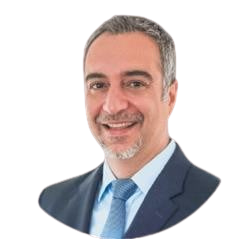
Applied neuroscientist working on digital biomarkers since 1998. Founder of Altoida (FDA Breakthrough Device designation). Adjunct Professor of Psychiatry, University of Michigan Medical School.
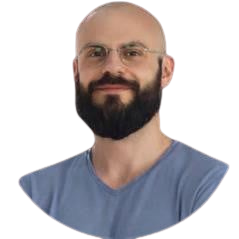
Neuroengineer and AI researcher in cognitive neuroscience, computer vision and machine learning. Former postdoctoral researcher at Tel Aviv University; owns the platform from research prototype to production.
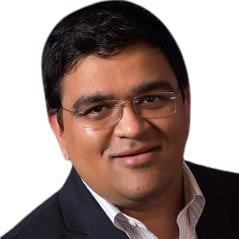
AI product leader with 20+ years building large-scale SaaS and AI systems, including at Google. Previously at Care.com and McKinsey.
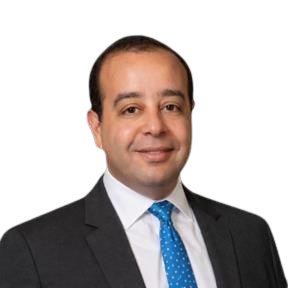
Physician executive in clinical strategy, population health and digital care models. Executive MBA, MIT Sloan.
Advisors
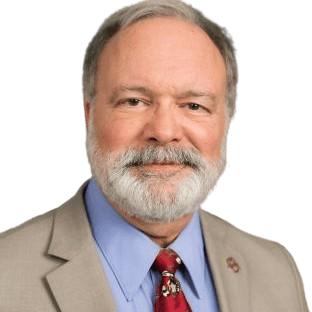
Clinical neuropsychologist in cognitive assessment across aging, MCI and neurodegenerative disease.

Neurologist; Director, New England Institute for Neurology and Headache. Principal investigator on many CNS trials.
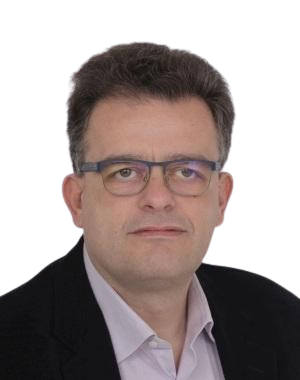
Professor of Computer Science, University of Crete, and researcher at FORTH.

Advises Telephos on business development and US partnerships.
Telephos
See it sooner.Act on it sooner.Know sooner.
Tell us who you are and we'll point you to the right person.
We work with independent, rural and group practices, and with FQHCs. Tell us a little about your clinic and we'll walk you through how a site goes live.
We partner with academic medical centers and health systems on validation and clinical studies of behavioral and cognitive signals, including treatment response.
We're open to working with Medicare Advantage plans and care partners on programs for earlier cognitive and behavioral care.
For company information, briefings or interviews, reach out and we'll get back to you.